


Nicknamed "Emeralds of the Water," these water vegetables are known for their health and beauty benefits.
What Is Junsai? Discover Akita’s Unique Water Vegetable
Categories: Eats/Treats


When people think of Japanese cuisine, sushi, ramen, and wagyu beef often come to mind.
But hidden among the clear ponds of northern Japan grows one of the country’s most unusual traditional foods: junsai, a water vegetable coated in a natural jelly-like layer.
Known in English as watershield, junsai has been enjoyed in Japan for centuries. Its distinctive appearance, silky texture, and connection to pristine natural environments make it one of Akita’s most fascinating local specialties.
If you’re looking for a unique food experience beyond the typical tourist trail, junsai is a hidden gem worth discovering.
What Is Junsai?
Junsai (Brasenia schreberi), or watershield, is an aquatic plant that grows in shallow ponds and wetlands with exceptionally clean water.
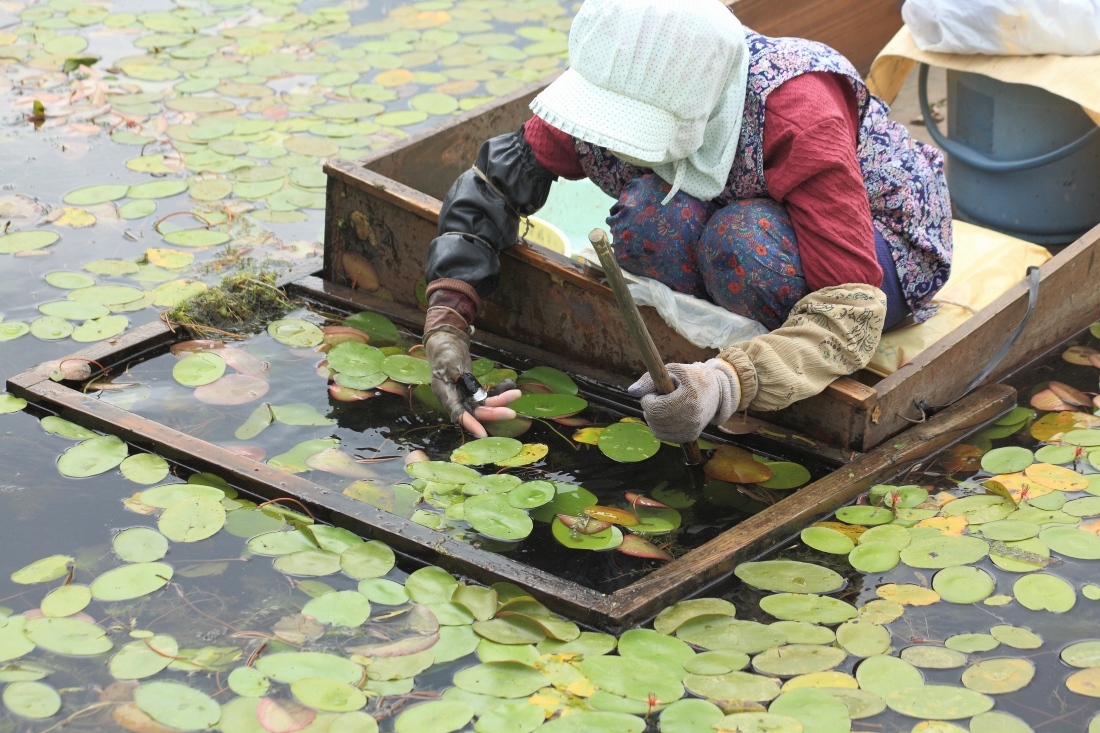
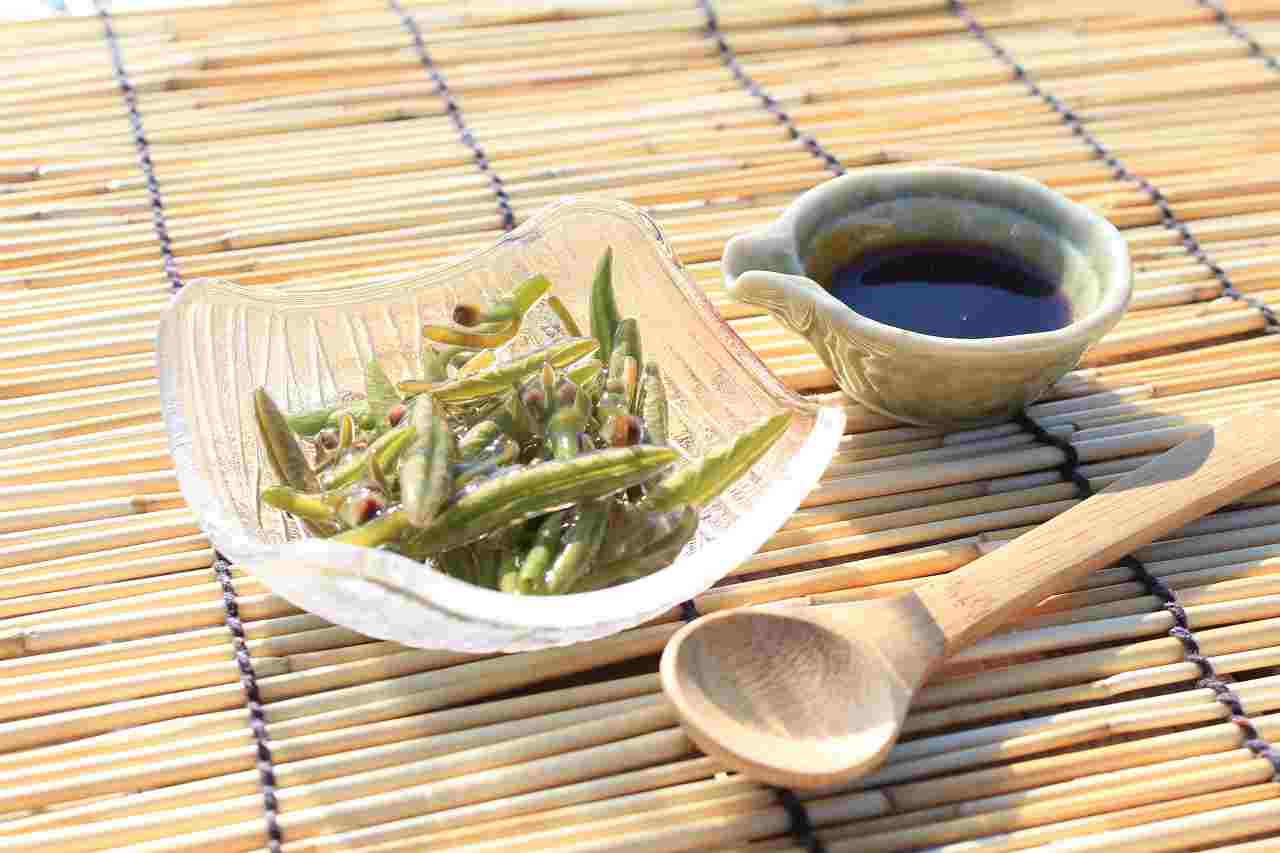
The edible part is the young bud, which is naturally covered in a transparent gelatinous coating. This protective layer gives junsai its signature slippery texture and glossy appearance.
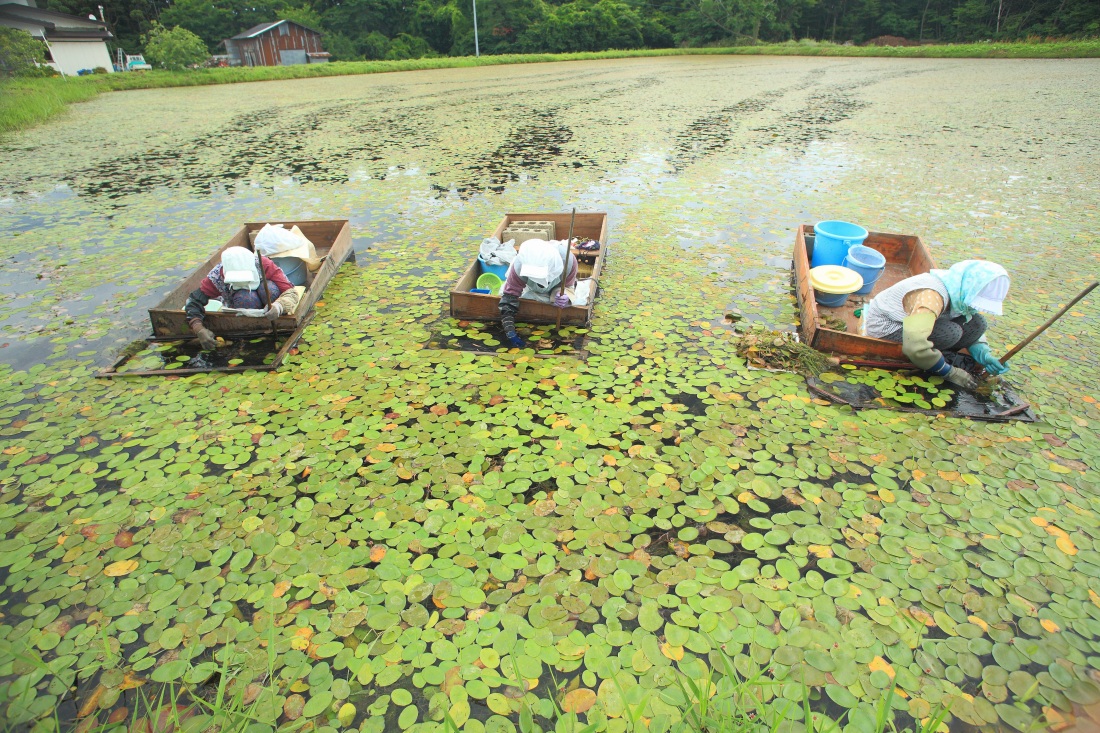
Floating on the surface of the water are round green leaves, while the tender buds grow just below the surface, waiting to be harvested by hand.
Because the plant requires high-quality water to thrive, junsai is often associated with unspoiled natural landscapes.
Why Is Akita Famous for Junsai?
Akita Prefecture is Japan’s leading producer of junsai, with most cultivation concentrated in Mitane Town near the foothills of the UNESCO World Natural Heritage Site, Shirakami Sanchi.
The region’s abundant spring water, clean environment, and ideal pond conditions have supported junsai cultivation for generations.
During the summer months, the ponds become covered with countless floating leaves, creating a landscape that is both beautiful and uniquely tied to local food culture.
For many residents, junsai is more than a seasonal ingredient—it is a symbol of summer in Akita.
What Does Junsai Taste Like?
The appeal of junsai lies less in its flavor and more in its texture.
Its taste is mild and delicate, allowing it to pair well with a variety of dishes. What makes junsai memorable is the smooth, silky coating that surrounds each bud.
Many first-time visitors describe the experience as unlike any vegetable they have eaten before.
In Japan, junsai is commonly served:
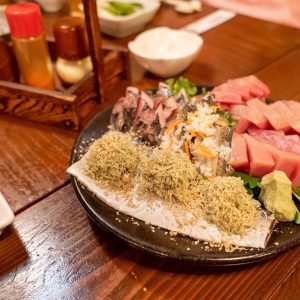
- Chilled with soy sauce or ponzu
- In clear soups
- As part of traditional kaiseki cuisine
- In seasonal summer dishes
Its refreshing texture makes it especially popular during the warmer months.
A Food Enjoyed Since Ancient Japan
Junsai is not a modern food trend.
Historical records show that it has been enjoyed in Japan for well over a thousand years, with references appearing in some of the country’s oldest literary works.
Despite its long history, junsai remains relatively unknown outside Japan, making it a fascinating discovery for travelers interested in regional food culture and traditional ingredients.
Where Can You Find Junsai?
Fresh junsai is available during the harvesting season from late spring through summer.
Visitors can often find it at local markets, roadside stations (Michi-no-Eki), and specialty shops throughout Akita Prefecture. It is also served seasonally at traditional Japanese inns and restaurants that showcase regional cuisine.
For the freshest experience, many travelers seek out junsai directly in the areas where it is grown.
Want to Harvest Junsai Yourself?
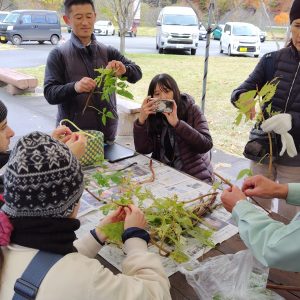
One of the most memorable ways to experience Akita’s food culture is to harvest junsai directly from the ponds where it grows.
Visitors can join seasonal harvesting experiences and learn how this unique ingredient has been collected for generations.
Read our complete guide to the junsai harvesting experience here:
Junsai Harvesting Experience in Akita Shirakami
Discover One of Japan’s Most Unique Traditional Foods
From its jewel-like appearance to its silky texture and centuries-old history, junsai offers a glimpse into a side of Japan that many international visitors never see.
If you’re planning a trip to Akita or the Shirakami Sanchi area, don’t miss the chance to try this remarkable water vegetable and experience one of Japan’s most distinctive summer delicacies.